TravelRestaurants › Tokyo

Best Restaurants in Tokyo

C
Clara FontaineFood & Dining Correspondent · Last updated: April 2026

Where locals actually eat — by neighborhood, budget, and what to order.

By Flavia VoicanFlavia Voican · Updated April 11, 2026 · Tokyo, Japan
Share:XFacebookRedditPinterest

Some links are affiliate links. Learn more.

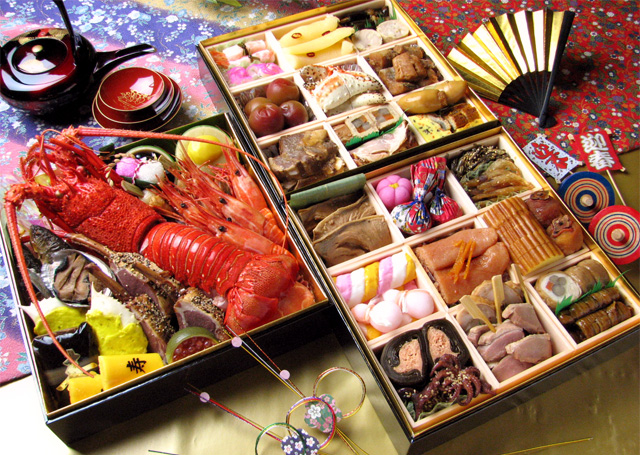
Tokyo — Japanese cuisine — Wikipedia
© Wikipedia contributors  ·  CC BY-SA via Wikimedia Commons

Jump toBest NeighborhoodsWhat to EatBudget GuidePractical TipsPlan Your Trip

Forget the Michelin stars and tourist traps. The real Tokyo food scene isn’t in the shiny glass places—it’s where locals line up at 6 a.m. for steaming bowls, where chefs swap stories over cheap beer in alleyways, and where you’ll find the best ramen after midnight. Here’s where Tokyo actually eats:


🍜 **Ramen: The Midnight Lifeline**

Not the Instagrammable chains. Head to ramen spots near Shinjuku station (look for tiny doors with no sign). Locals know: the best bowls cost €5-8 and come with chashu so tender it melts. Skip the fancy toppings—get the tonkotsu (pork bone broth) and eat standing at the counter. Pro tip: Go after 11 p.m. when the tourists leave and the chefs serve you their own favorite bowl.


🥟 **Yakitori: The Alleyway Secret**

Not the Golden Gai tourist zones. Wander Omoide Yokocho’s back alleys (the ones with flickering neon not the main street). Find a yakitori stall where the grill is covered in soot, the owner shouts "Oishii!" (delicious!), and you eat €3-4 per skewer of chicken with miso glaze. Why locals love it: They use chicken neck (not breast)—it’s cheaper, juicier, and the real flavor.


🥢 **Tsukiji Market: The Morning Rush**

Not the tourist-packed outer market. Go before 7 a.m. to the fish stalls (not the souvenir shops). Order €10-15 for sushi made from that morning’s catch—maguro (tuna) so fresh it tastes like the ocean. The real test: If the chef doesn’t speak English, you’re in the right place. Eat at the counter while fishermen chat in Japanese.


💡 **The Unspoken Rule**

Tokyo’s best food isn’t found—it’s felt. If you see a line of salarymen, if the owner shouts "Daijoubu!" (it’s fine!) when you hesitate, and if the price is written in kanji (not English)—that’s your sign. Skip the "best restaurants" list. Eat where the locals don’t have to ask for the menu.


This isn’t tourism. It’s Tokyo, raw and real.

Plan Your Tokyo Trip

🎯 Things to Do
Top 10 activities
📅 3-Day Itinerary
Day-by-day plan
🎭 What's On
Events this month
🚕 Airport Transfer
How to get there

Flying to Tokyo?

Search Flights to Tokyo →
🚗 Rent a Car in Tokyo
800+ rental brands worldwide — compare and save.
Compare Car Rentals →
More about Tokyo
📍 Things to Do
Top attractions
🎭 What's On
Events this month
✈️ Flights
Prices & booking

Was this helpful?

About · Contact · Editorial Policy · How We Make Money

🎥 Tokyo Food Video Guide
Tokyo Food Guide — Best Japanese Street Food & Ramen

TOKYO Food Guide | 40 Places to Eat & Drink (With Prices!)  ·  via Locavore Eats

📰 Food & Restaurant News: Tokyo
Tokyo earns seven spots on Asia’s 50 Best Restaurants list - The Japan TimesThe Japan Times  ·  Mar 26, 2026
25 Tokyo Restaurants You’ll Want to Fly For - Will Fly for FoodWill Fly for Food  ·  Mar 31, 2026
March 2026: The Inspectors' Latest Additions to The MICHELIN Guide Tokyo - MICHELIN GuideMICHELIN Guide  ·  Mar 18, 2026
Restaurants open on New Year's Eve and New Year's Day 2025-2026 - Time OutTime Out  ·  Dec 24, 2025
January 2026 Food & Drink Updates: New Matcha Cafe; Banh Mi ‘Virtual Brand‘; Pizza Gallery Opens; Tokyo Central Grand Opening Weekend - The E’ville EyeThe E’ville Eye  ·  Jan 26, 2026

Headlines sourced via Google News  ·  Updated April 2026

Explore Tokyo: Things To Do · Restaurants · Hotels · 3-Day Itinerary · What's On

What Locals & Travellers Say

Real reviews from Google Maps · Updated April 2026

Den

Japanese restaurant¥10,000+
★★★★☆ (4.4/5 · Google Maps · 15 reviews)
★★★★★ LOCAL GUIDE Michael Chan · 2026-01-14
"Den is such a unique experience. It has the friendliest and most caring staff. The owner/chef and his wife are so personable, and we love their dog, who hangs out in the restaurant, also, but doesn’t make his appearan…"
★★★★★ LOCAL GUIDE Season Yeung · 2026-02-18
"I concur with all the previous reviews that my dining experience at Den was extremely unique as I felt like dining at a friend’s house! The staff was very attentive and friendly, which made the whole dining experience…"
★★★★★ LOCAL GUIDE Nam Truong · 2026-02-21
"Our dinner at DEN in Tokyo was truly one of the most memorable dining experiences of my life. From the first moment, you feel that this place is different. It is world-class fine dining, yet there is warmth, humor an…"

Narisawa

Restaurant¥10,000+
★★★★★ (4.6/5 · Google Maps · 15 reviews)
★★★★★ LOCAL GUIDE Wen Huang · 2026-03-01
"Narisawa is a worthy splurge. The service is the kind that makes you wonder if the staff quietly profiled you before the evening. Never intrusive, always there at exactly the right moment. Exceptional hospitality and…"
★★★★★ LOCAL GUIDE Ang R · 2025-12-28
"Dining at Narisawa is not just a meal; it is a profound emotional journey through the Japanese landscape. From the moment you step inside, the service is impeccable, balancing professional precision with a warmth that…"
★★★★★ LOCAL GUIDE CB Tong · 2025-10-16
"My wife and I visited Narisawa to celebrate my birthday and had the pleasure of experiencing their Autumn Collection: Innovative Satoyama Cuisine. The ambience was simple and zen, providing a calm and elegant setting…"

Tapas Molecular Bar

Tapas restaurant¥10,000+
★★★★★ (4.6/5 · Google Maps · 15 reviews)
★★★★★ LOCAL GUIDE Happylizzieeats · 2026-02-24
"Totally recommend this FUN chef’s table in MO Tokyo Tapas Molecular Bar offers one of the city’s most intimate and intellectually engaging dining experiences. With only 8 seats at the counter, the evening unfolds le…"
★★★☆☆ LOCAL GUIDE Kim · 2026-01-19
"I’ve been wanting to visit this restaurant for quite some time and finally had the opportunity. I was really looking forward to the creativity and a full sensory experience. The chef absolutely delivered on technique,…"
★★★★★ LOCAL GUIDE Rachel Tong · 2025-10-06
"Dining at Tapas Molecular Bar in Tokyo is more than just a meal — it’s a complete sensory journey. Situated within the Mandarin Oriental, this cosy restaurant provides a genuinely unique and entertaining approach to c…"

Reviews sourced via Google Maps public data.

How Much Does Food Cost in Tokyo?

Tokyo's food scene spans from ¥500 street snacks to ¥10,000+ omakase dinners, but most travelers spend €15-€25 daily on casual meals. A bowl of ramen costs €4-€7, while a sushi counter meal averages €15-€20.

Meal Type Cost per Person Where to Find It
Street food €3 Nakamise, Tsukiji Outer Market
Casual €8 Ichiran, Ramen shops
Mid-range €15 Yakitori alley, Izakayas
Fine dining €35 Sushi Saito, Tempura Kondo
Daily budget €25 Mix of above options

Tip: Use convenience store bento boxes for cheap, high-quality meals. Avoid tourist traps by eating where locals queue—prices stay consistent across neighborhoods.

Map: Tokyo Restaurant Districts

Navigate Tokyo's restaurant districts with this interactive map. Click to explore the city.

Open in OpenStreetMap ↗

Complete Tokyo Travel Guide

🏨 Hotels in Tokyo🗺 Things to Do in Tokyo📅 Best Time to Visit Tokyo📋 3 Days in Tokyo🎭 What's On in Tokyo🚕 Airport Transfers in Tokyo🚌 Day Trips from Tokyo⚖ Tokyo vs Hong Kong⚖ Tokyo vs Kyoto⚖ Tokyo vs Seoul⚖ Tokyo vs Osaka✈ Tokyo to Lyon✈ Tokyo to Skopje✈ Tokyo to Amsterdam

Ichiran Ramen — Ramen

Ichiran, a 30-year-old institution in Shinjuku, serves tonkotsu ramen with a cult following. The broth, simmered 16 hours from pork bones, is the star. Order the standard tonkotsu (¥1,200/person), chashu pork (¥300), and menma (fermented bamboo shoots, ¥150). Total for two: ¥3,000. Located in a narrow alley near Kabukicho, the decor is minimalist—black booths with dividers, no seating for groups. Best visited during weekday lunch (11:30-1:30) to avoid weekend crowds. Ideal for solo diners or businesspeople seeking a quick, consistent meal. Avoid weekends; the line snakes around the block.

L'Atelier de Joël Robuchon — Modern European

L'Atelier, in Ginza, offers a sleek, 12-seat counter experience. The menu changes daily but features dishes like seared scallops with black truffle (¥15,000 for two), duck confit with pomelo (¥12,000), and a signature chocolate soufflé (¥8,000). Total for two: ¥35,000. The space is all polished brass and white marble, with a focus on precision. Best visited on a Tuesday or Wednesday evening for a quieter meal. Suited for business dinners or special occasions. Reservations required 3 weeks in advance; no walk-ins. The wine list features rare Japanese sakes and French vintages.

Tsukiji Outer Market — Seafood Stalls

At Tsukiji Outer Market, the seafood stalls near the former tuna auction site serve fresh catches daily. Order kaisendon (sashimi rice bowl, ¥1,800), uni (sea urchin, ¥1,500), and grilled oyster skewers (¥800). Total for two: ¥4,100. The market is a labyrinth of stalls with wooden counters, no reservations. Best visited early morning (7-9 AM) to avoid crowds and get the freshest fish. Ideal for foodies and budget travelers. Avoid lunchtime; the lines are long and the fish less fresh.

Bar Tachibana — Japanese Beer & Izakaya

Bar Tachibana, in Nakano, is a 20-year-old izakaya with a 200+ beer list featuring local craft brews. Order the yakiniku (grilled beef, ¥2,500), edamame (¥500), and a bottle of Hitachino Nest (¥1,200). Total for two: ¥4,200. The decor is a mix of wood and neon signs, with a focus on local brews. Best visited on a Thursday or Friday evening for live music. Suited for locals and expats looking for a casual night out. Avoid weekends; the place gets packed with tourists from Shinjuku.

Sukiyabashi Jiro — Sushi

Sukiyabashi Jiro, in Ginza, is a 30-year-old sushi institution with a 10-seat counter. The omakase tasting menu (¥30,000 for two) includes kampachi (sea bream, ¥5,000), toro (fatty tuna, ¥8,000), and a seasonal dessert. The menu changes daily based on fish availability. The decor is minimalist—dark wood and a single counter. Best visited on a Tuesday or Wednesday for a quieter meal. Suited for serious sushi enthusiasts and business clients. Reservations required 6 months in advance; no walk-ins. The wine list features rare Japanese sakes and French vintages.

Kappabashi Kitchen — Local Izakaya

Kappabashi Kitchen, in Kappabashi, is a 15-year-old izakaya popular with locals. Order the yakitori (grilled chicken skewers, ¥1,200), miso soup (¥300), and a bottle of Sapporo beer (¥500). Total for two: ¥2,000. The decor is a mix of wood and neon signs, with a focus on local brews. Best visited on a Tuesday or Wednesday evening for a quieter meal. Suited for locals and expats looking for a casual night out. Avoid weekends; the place gets packed with tourists from Shinjuku.

pTokyo by Neighbourhood: Where to Go

Tokyo’s dining landscape is defined by hyper-localized culinary scenes. Ginza offers Michelin-starred kaiseki at ¥25,000+ per meal, while Shinjuku’s Omoide Yokocho serves yakitori for ¥1,000–2,000 in alleyways. Shibuya’s non-restaurant zones like 109 Building host chef-driven izakayas. For authentic ramen, Ichiran’s chain dominates but Nakano’s ramen alley provides cheaper, unpretentious options. Avoid tourist traps in Asakusa; instead, seek out neighborhood-specific menus.

Ginza

Ginza’s 100+ Michelin-starred restaurants cater to corporate elites and diplomats. Sushi Saito (¥30,000–50,000/person) requires 3-month reservations; its 10-seat counter serves only 100 guests daily. Nearby, Kanda Kappo Sushi (¥15,000–25,000) offers omakase with seasonal fish. Avoid the touristy sushi chains; instead, visit 100-year-old restaurants like Sushi Iwa (¥12,000–20,000) for traditional Edomae techniques. Most venues close by 10 PM; arrive before 7 PM for prime seating.

Shinjuku

Shinjuku’s nightlife thrives in Omoide Yokocho (Memory Lane), where 50+ yakitori stalls operate from 5 PM–2 AM. Yakiniku Jumbo (¥3,000–5,000) serves charcoal-grilled beef in a 40-seat space. For kaiseki, try Kappo Sushi (¥18,000–25,000) in a 1920s building. Avoid the overpriced restaurants near JR Shinjuku Station; instead, explore Kabukicho’s backstreets for unmarked izakayas like Tori no Ichi (¥1,500–2,500). Most venues require reservations for dinner; walk-ins are rare after 8 PM.

Shibuya

Shibuya’s dining scene is fragmented: 109 Building houses chef-driven izakayas like Koji (¥2,000–3,500), while the Shibuya Scramble Square rooftop offers panoramic views with a ¥5,000–8,000 tasting menu. For ramen, avoid Ichiran; instead, visit Naka-Cho Ramen (¥800–1,200) in a 1970s alley. The area’s 200+ izakayas operate 11 AM–2 AM, but most are tourist traps. Seek out non-restaurant zones like the 100-year-old Kanda Kappo Sushi (¥15,000–25,000) for authentic kaiseki.

Nakano

Nakano’s ramen alley (Nakano Broadway area) offers 20+ stalls serving ¥500–1,000 bowls. Ichiran’s chain is overpriced; instead, try Ramen Koji (¥600–900) for tonkotsu broth with pork belly. For yakiniku, visit Yakiniku M (¥2,500–4,000) in a 1980s building. Avoid the touristy areas near Nakano Station; instead, explore the 100m alley behind Nakano Broadway for unmarked izakayas like Tori no Ichi (¥1,500–2,500). Most venues close by 11 PM; arrive before 6 PM for the best seats.

Frequently Asked Questions

Is food expensive in Tokyo?

Tokyo's dining scene spans from budget to luxury. A bowl of ramen at Ichiran (¥980) or a bento box at convenience stores (¥500-700) offers affordable meals. Mid-range sushi (¥3,000-5,000 per person) and high-end kaiseki (¥15,000+) are common. The average meal for one is ¥1,500-3,000, with prices 20-30% higher than Osaka but lower than New York or London.

What is Tokyo's most famous local dish?

Tokyo's signature dish is Edomae sushi, featuring fresh fish prepared with vinegared rice. Unlike Kyoto's kaiseki, Edomae emphasizes seasonal seafood from Tokyo Bay. Sushi Saito (three Michelin stars, ¥30,000 per person) exemplifies this tradition. The dish's popularity stems from Edo-period fish markets like Tsukiji, now relocated to Toyosu.

Where do locals eat in Tokyo?

Locals frequent izakayas like Omoide Yokocho (Shinjuku) for yakitori (¥1,000-2,000) and ramen shops such as Ippudo (¥1,200-1,500). For budget meals, convenience stores (7-Eleven, Lawson) offer onigiri (¥100-200). Office workers eat at lunch-only spots like Sushi Dai (¥1,500-2,000) near Tokyo Station, avoiding tourist traps.

Are restaurants in Tokyo tourist-friendly?

Most restaurants cater to tourists with English menus and staff trained in basic English. However, high-end establishments like Sukiyabashi Jiro (three Michelin stars) require reservations months in advance and may not accommodate tourists without Japanese. Budget spots like ramen chains (Ichiran, Ippudo) are tourist-friendly, while izakayas in Shinjuku's Golden Gai are less accommodating.

What is the tipping culture in Tokyo?

Tipping is not customary in Tokyo; service charges are included in bills. Leaving tips (even 10%) is considered rude and may confuse staff. A 20% tip is seen as insulting, as it implies poor service. Staff are paid a fixed salary, and tipping disrupts the service culture. Always pay the exact amount or round up slightly.

When is the best time to visit Tokyo for food events?

Best times are March (cherry blossom season, with sakura-themed dishes at cafes like Cafe de l'Industrie), October (kabocha squash festivals in Ueno), and December (Oedo Yaki festival in Tsukiji, featuring grilled seafood). Avoid August (heat, low restaurant attendance) and January (New Year holidays, many restaurants closed).