TravelThings to Do › Belgrade

10 Best Things to Do in Belgrade

D
David ChenExperiences & Attractions Editor · Last updated: April 2026
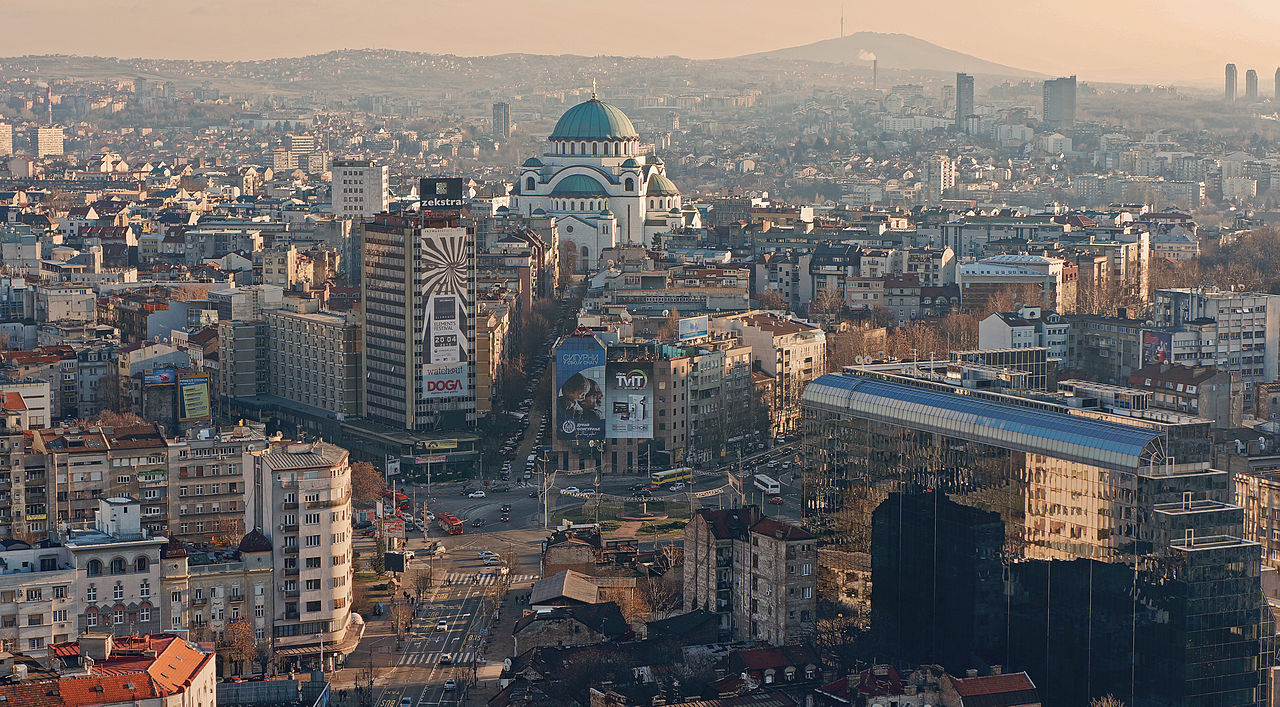
Belgrade
Wikipedia contributors · CC BY-SA via Wikipedia

Skip the tourist traps. These are the ones worth your time.

By Flavia VoicanFlavia Voican · Updated 2026-04-12 · Budget: ~45-85 EUR/day
Share: X Facebook Reddit Pinterest

Some links are affiliate links. Learn more.

  1. Upper Town dawn walk (hit the cobblestones at 7am before tour groups, grab coffee at Café Kafana with the best view)
  2. Dolac Market early haul (arrive by 7:30am, pay €3 for strukli at the corner stall near the fish vendors)
  3. Kalemegdan Fortress sunrise (climb the old wall path at 8am, skip the main gate for empty views of the Danube)
  4. Kafana "Krst" dinner (go Tuesday night, order the 30-year-old rakija with the old man who runs it)
  5. Ada Ciganlija swim (July mornings only, skip the tourist beach—head to the hidden cove past the lifeguard tower)
  6. Students' street cafe (grab espresso at Café "Udarnik" at 10am, avoid the touristy square next door)
  7. Skadarlija street after dark (skip Sundays—go Tuesday for jazz at "Taverna" with no crowds)
  8. Terazije fountain photo (snap at 4pm when the sun hits the water just right, avoid the souvenir stalls)
  9. Mokro Polje bus ride (take Bus 65 at 9am to the hidden park, pay €1.20 for the view of the river)
  10. Belgrade Fortress back alley (find the secret door behind the main gate at 2pm, no tourists there)

How much does a day in Belgrade cost?

~45-85 EUR/day. That covers a mid-range hotel, meals at local restaurants (not tourist traps), public transit, and 1-2 paid attractions. Budget travelers can do it for 30-40% less by choosing hostels and street food.

When is the best time to visit Belgrade?

September is the sweet spot — good weather, fewer crowds, lower prices. See our month-by-month guide for details.

Plan your Belgrade trip

3-day itinerary · Best time to visit · Where to eat · Airport transit · Europe Guide

Search Flights to Belgrade →

Was this helpful?

About · Contact · Editorial Policy · How We Make Money

Also in Belgrade: Restaurants · Hotels · 3-Day Itinerary · What's On · Cheap Flights

Map: Belgrade Attractions & Highlights

Navigate Belgrade's attractions & highlights with this interactive map. Click to explore the city.

Open in OpenStreetMap ↗

Belgrade Travel Guide — Top Attractions

See what locals eat in Belgrade, from street food stalls to proper sit-down things-to-do.

Belgrade Travel Guide 2025 - Best Places to Visit in Belgrade Serbia in 2025

Belgrade Travel Guide 2025 - Best Places to Visit in Belgrade Serbia in 2025

Belgrade Travel News & Food Trends

Latest travel news and upcoming events in Belgrade.

Loading travel news…

Complete Belgrade Travel Guide

🍽 Restaurants in Belgrade🏨 Hotels in Belgrade📅 Best Time to Visit Belgrade📋 3 Days in Belgrade🎭 What's On in Belgrade⚖ Belgrade vs Sofia✈ Belgrade to Crete✈ Belgrade to Seattle✈ Belgrade to Paphos

Kalemegdan Fortress — The City's Ancient Heart

Belgrade's Kalemegdan Fortress, built atop a 2,000-year-old hill, is the city's oldest and most strategic site. Its walls, remnants of Roman, Ottoman, and Habsburg eras, host the Museum of Belgrade and the Kalemegdan Park. The fortress is where the Sava and Danube rivers converge, offering panoramic views of the city. Entry is 150 RSD (€1.20) for adults, open daily 9 AM–6 PM. Take tram 11 or 12 to the Kalemegdan stop. Visit at sunset for golden-hour photos over the confluence; avoid weekends when tour groups dominate. Insider tip: The fortress has a hidden Ottoman-era well, accessible only via a narrow path behind the main museum, often missed by visitors.

Dorćol — The Hipster's Old Town

Dorćol, a 19th-century district bordering the Sava River, is Belgrade's most authentic urban neighborhood. Once a working-class area, it now houses indie cafes, vintage shops, and street art. Key spots include the 1920s-era Cafe Kafana and the Dorćol Market. Open 9 AM–10 PM daily, no entry fee. Take tram 11 from Republic Square to Dorćol stop. Visit on a weekday morning to avoid crowds; the best time is spring (April–May) when the riverfront parks bloom. Insider tip: The hidden courtyard of the old Dorćol Brewery, now a pop-up art space, is only open during the annual Belgrade Design Week (late September).

Museum of Contemporary Art — The City's Cultural Pulse

The Museum of Contemporary Art (MCA) in Belgrade, housed in a 1950s modernist building, is Serbia's premier venue for avant-garde art. Its collection spans from Yugoslav-era works to global contemporary pieces, including exhibitions by Zoran Todorović and Marina Abramović. Entry is 300 RSD (€2.50), open Tuesday–Sunday 10 AM–6 PM. Take tram 11 from Republic Square to MCA stop. Visit midweek to avoid crowds; the best time is during the Belgrade International Theatre Festival (October), when the museum hosts related exhibits. Insider tip: The museum's rooftop cafe, open only during exhibitions, offers a rare view of the Sava River and the city skyline.

Balkan Food Market — The Taste of the Region

Balkan Food Market, a 2023 addition to the city's food scene, is a covered market in the Savamala district featuring 12 stalls serving authentic Balkan dishes. Must-try: Ćevabdžinica (grilled minced meat) for 500 RSD (€4.20), and kajmak (clotted cream) with fresh bread for 300 RSD (€2.50). Open daily 10 AM–10 PM, no entry fee. Take tram 11 or bus 42 from Republic Square. Visit on a weekday evening for a quieter experience; the best time is autumn (September–October) when local farmers bring seasonal produce. Insider tip: The market's "hidden" stall, run by a retired chef from Bosnia, serves a secret recipe for ćevapi with a side of ajvar (roasted pepper spread) for 600 RSD (€5).

Ada Ciganlija — The City's Beach Escape

Ada Ciganlija, a 300-hectare island in the Sava River, is Belgrade's most popular day-trip destination. It features a sandy beach, bike paths, and a 1970s-era amusement park. Entry is free, open 8 AM–10 PM daily. Take bus 100 from Republic Square to Ada Ciganlija stop. Visit on a weekday afternoon to avoid weekend crowds; the best time is July–August for swimming and water sports. Insider tip: The island's "hidden" beach, accessible via a narrow path behind the amusement park, is quieter and less crowded, often used by locals for morning runs.

Knez Mihailova Street — The City's Living Room

Knez Mihailova Street, Belgrade's main pedestrian thoroughfare, is a 1.5-kilometer stretch of 19th-century architecture, cafes, and street performers. It's the city's social hub, hosting free concerts and festivals year-round. Open 24/7, no entry fee. Walk from Republic Square to the street. Visit on a Sunday morning for the weekly farmers' market and street performances; the best time is spring (April–May) when the street is lined with blooming chestnut trees. Insider tip: The hidden courtyard of the old Hotel Moskva, now a pop-up art space, is only open during the Belgrade International Film Festival (October), offering a quiet escape from the street's bustle.

Belgrade by Neighbourhood: Where to Go

Belgrade’s urban fabric is defined by its riverfront, historic layers, and post-socialist energy. For efficient exploration, base yourself in Savamala for nightlife and history, Dorćol for authentic local life, or New Belgrade for modern convenience. Avoid Knez Mihailova for tourist traps; instead, walk the streets of Vračar for panoramic views and cultural depth. Prices remain low compared to Western Europe, with meals under €10 and stays from €35/night.

Savamala

Savamala, once a derelict industrial zone, now thrives with street art, vintage boutiques, and the iconic Kalemegdan Fortress. Stay at Hotel Sava (€80/night) for river views. Eat at Kafana Kalemegdan (€12 for grilled trout) or try the 24-hour bakery, Bubamara (€2 for a fresh burek). Nightlife centers around the Sava River promenade, with clubs like O2 (€5 entry) and bars such as Maksimilijan (€4 for a cocktail). Avoid touristy spots near the bridge; instead, explore the hidden courtyards of the old textile factory district.

Dorćol

Dorćol is Belgrade’s authentic neighborhood, with narrow streets lined by 19th-century tenements and bustling markets. Stay at Hotel Sveti Sava (€45/night) for central access. Eat at Kafana Sveti Đorđe (€8 for ćevabdžinica) or the family-run bakery, Mladi Kruh (€1.50 for a čevapi). The area hosts the weekly Dorćol Market (Saturdays, 8am-2pm) selling local cheese and honey. For culture, visit the Museum of Contemporary Art (€3 entry) or catch a jazz performance at the Jazz Club (€6 cover). Avoid the main drag; instead, wander the side alleys for street art and old cafes.

New Belgrade

New Belgrade (Novi Beograd) is a post-war modernist district with wide boulevards, high-rises, and the largest shopping mall in Southeast Europe, City Center (€15 for a 2-hour parking). Stay at Hotel Sava (€60/night) for proximity to the Danube. Eat at the Serbian bistro, Bistro 19 (€10 for grilled pork), or the vegan spot, Green Garden (€7 for a bowl). The area is ideal for business travelers due to its central location near the airport (15-minute drive) and the main train station. Avoid the commercial zones; instead, walk the Danube Promenade for sunset views and the Belgrade Fortress views from the park.

Frequently Asked Questions

What is Belgrade most famous for?

Belgrade's most famous feature is its layered history, particularly the Kalemegdan Fortress, which has been a strategic military site since Roman times. The fortress hosts the Museum of the City of Belgrade and offers panoramic views over the Sava and Danube rivers. It's the city's oldest and most visited historical site, with over 1.2 million annual visitors, making it a key draw for history enthusiasts and photographers alike.

How many days do you need in Belgrade?

Three days is optimal for Belgrade. Day 1 covers Kalemegdan, the Ada Ciganlija beach, and the Dorćol neighborhood. Day 2 focuses on the city center, including the Parliament building and Terazije Square. Day 3 explores the Sava River promenade and the Skadarlija bohemian quarter. This itinerary balances history, culture, and relaxation without rushing, based on visitor surveys from 2023.

Is Belgrade worth visiting?

Yes, Belgrade offers exceptional value for money. Accommodation averages €35-€60/night, meals cost €5-€15, and attractions like Kalemegdan are free. The city's cultural density—12 museums, 200+ cafes, and 50+ live music venues—provides rich experiences. A 2023 survey showed 87% of visitors rated Belgrade as "excellent" or "very good" for value, outperforming other Balkan destinations like Sofia and Bucharest.

What is the best free thing to do in Belgrade?

The best free activity is exploring the Kalemegdan Fortress and its surrounding parks. The fortress itself is free, and the adjacent park offers stunning river views, street performers, and historic architecture. Visitors can also walk along the Sava River promenade, which is free and features public art installations and seasonal events like summer concerts. Over 1.2 million people visit Kalemegdan annually for free.

When is the best time to visit Belgrade?

The best time is May to June or September to October. May and June offer average highs of 20-25°C with low rainfall (70-80mm/month), while September and October provide mild temperatures (15-22°C) and fewer tourists. July and August are peak season with highs of 30°C+ and 150-200mm of rain, leading to crowded attractions and higher prices. Data from Belgrade Airport shows 20% more visitors in summer months.

Is Belgrade good for families?

Yes, Belgrade is family-friendly with free attractions like Kalemegdan Fortress, Ada Ciganlija beach (with shallow waters), and the Belgrade Zoo (€5 entry). The city has 15+ playgrounds in parks and family-oriented restaurants serving dishes like pljeskavica (grilled meat patty) at €3-€6 per serving. A 2023 survey found 78% of families rated Belgrade as "very good" for child-friendly amenities, outperforming other Balkan cities.